As soon as I saw the tweet I thought “uh-oh, this isn’t going to go down very well”.
And it hasn’t gone down well at all. Thousands of extremely negative comments on social media, people cancelling their British Cycling membership, critical media coverage, open letters signed by Greenpeace and others, and no doubt much more…
All fairly predictable, simply based on the jarring juxtaposition of cycling (the most eco-friendly possible mode of transport, apart from walking) partnering with Shell (to most people, still an oil and gas company).
The actual announcement, though, says lots of good things about BC and Shell working together on innovation, getting more people cycling and working towards net-zero. And Shell are certainly trying to reposition themselves as a clean energy company.
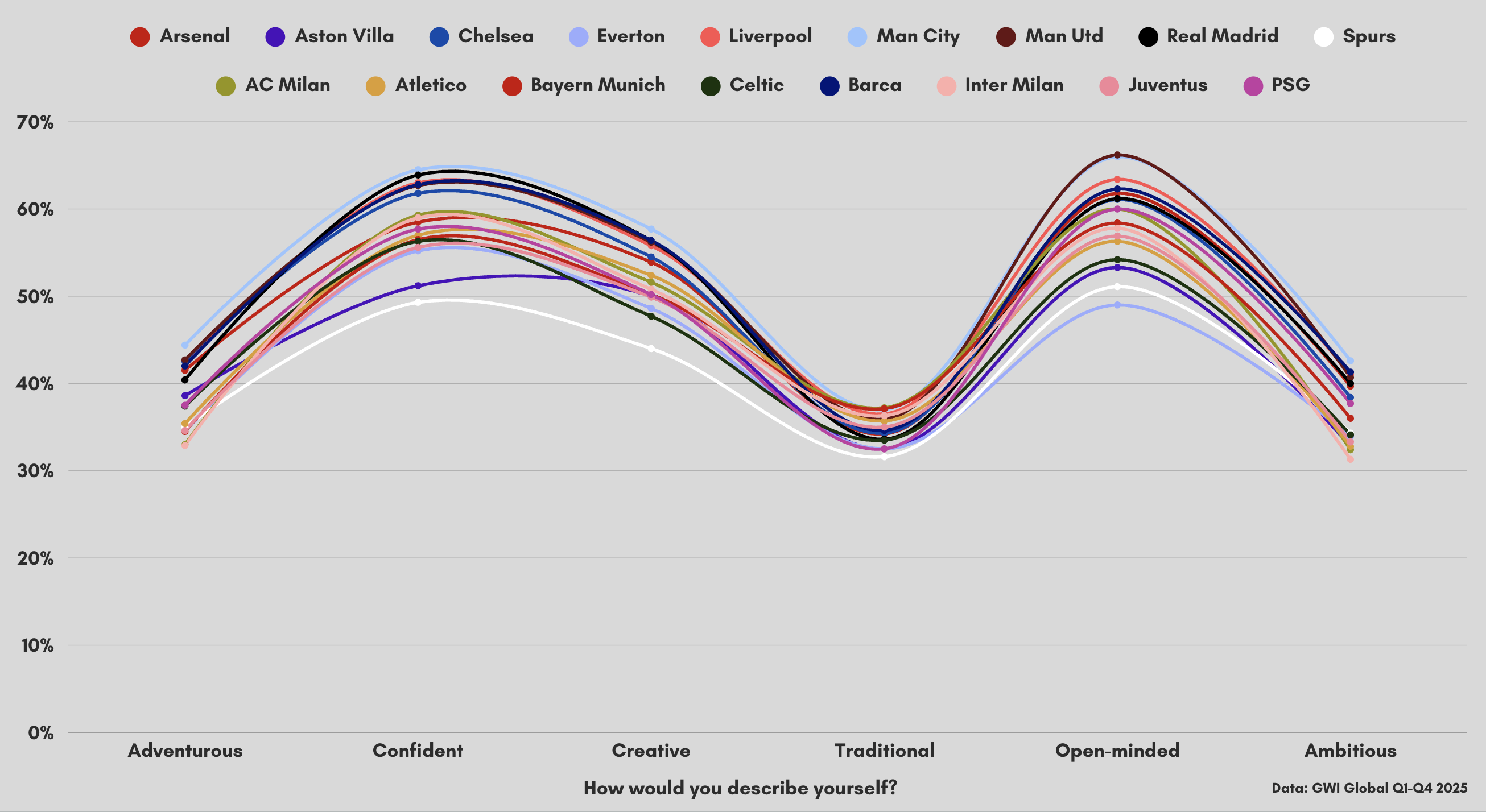
It’s easy to write some nice words in a press release, but the proof will obviously be in the action, and how BC and Shell can actually effect any positive change. BC probably could have done more to head off some of the flack from this, but it was always going to be a controversial one, especially when you consider that cyclists in the UK are significantly more interested in the environment than the population as a whole (GWI data).

What I’m interested in is how this exposes the dilemma for so many rights-holders in sport, especially governing bodies like British Cycling. They all need commercial revenue to fund their operations and become less reliant on money from Sport England and UK Sport.
But where that money comes from is a different question. In an ideal world, all sports partnerships would be with “clean” brands but (especially in a tough economy) that’s not always realistic. Any in any case, when we start drawing that moral line, where does it end?
Alcohol? Sugary drinks? Snack foods? Gambling? Crypto? Fan tokens? Saudi money? Banks invested in unsavoury businesses? Sports brands using far-Eastern sweatshops? Airlines that contribute to climate change? Car brands? And on we go…
If you dig deep enough, how many large corporations are totally “clean” anyway?
No easy answers here and it always comes down to a judgement call by the rights-holder, balancing up the revenue (and the good it can do) with the morals and the reputational risk of doing the deal.
What I’d always advise though, is to do the work up front to really understand what your audience thinks about certain brands, and come up with a strategy to take them with you (as far as possible) rather than dumping the announcement on them.
By the way, I wonder what Shell thinks of the reaction so far?